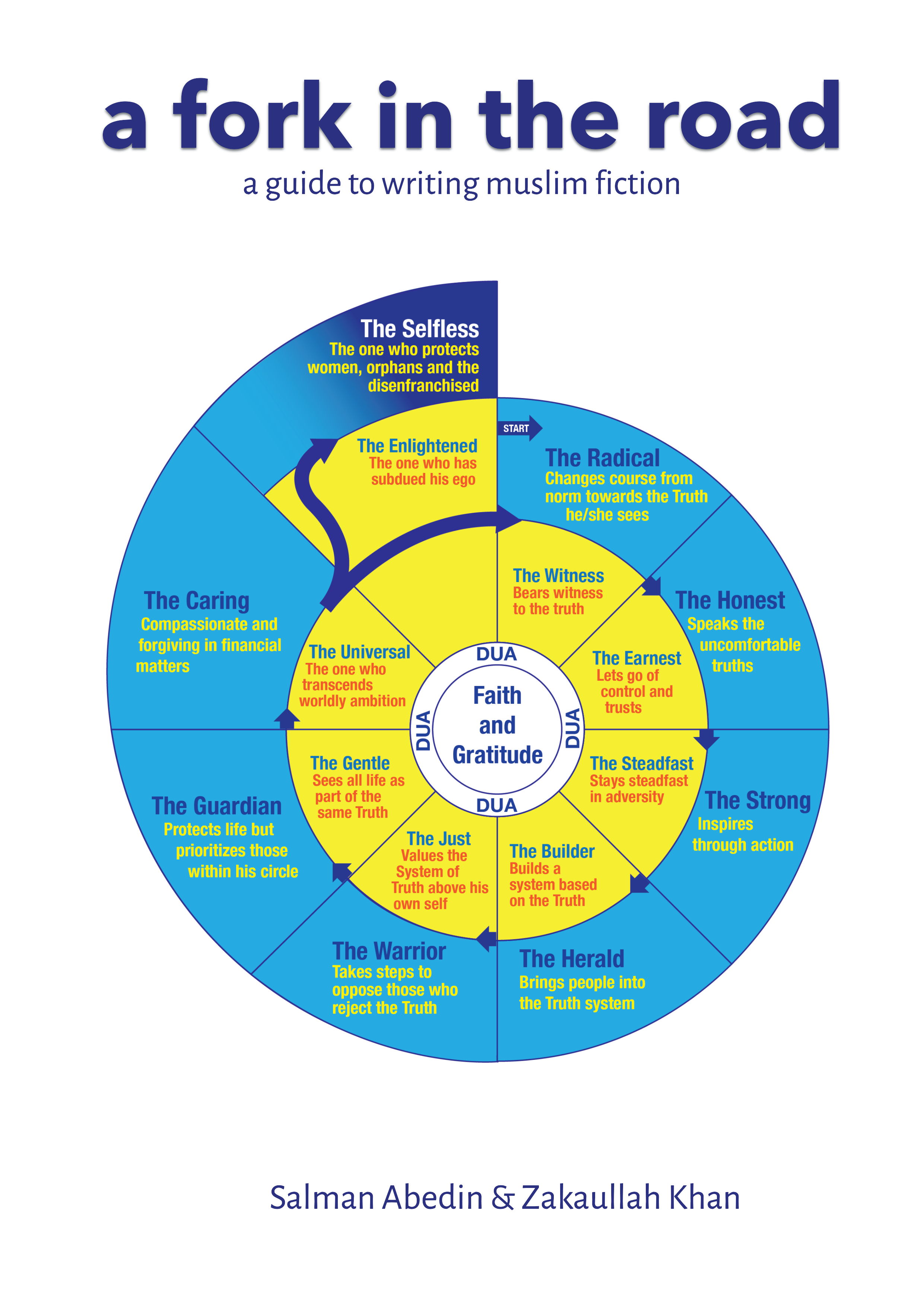

External: The Warrior

At this stage, the hero steps into the role of a protector and defender of the Truth. To the outside world, The Warrior is seen as a figure of action, taking bold steps to confront injustice and oppose those who actively reject or threaten the Truth. This role often involves conflict, whether verbal, ideological, or physical, and demands courage, strategy, and an unwavering commitment to righteousness. The Warrior’s actions may inspire others to stand firm, but they also draw the ire of those who feel threatened by their stand or by their growing influence.
Internal: The Just

Internally, this phase is defined by the hero’s unwavering commitment to justice, even at personal cost. The Just values the Truth and its system above their own desires or safety. This internal state is not about seeking vengeance or dominance but about preserving balance and integrity. The Just operates with a clear sense of responsibility, ensuring that their actions serve the greater good and remain aligned with the principles of the Truth.
It is important to note that Truth is not dependent upon the protector for its survival. Even if one truth-seeker turns away or dies, the Truth will become apparent to someone else at some other time. So the Just individual does not protect and uphold Truth for the sake of preserving Truth, but because it has become part of their duty to the Truth to do so.
Catalyst: Dua
In this phase, Dua becomes a plea for courage and discernment. The hero seeks divine guidance to act with wisdom and restraint, ensuring that their actions are just and measured, even in the heat of conflict. Supplication is a source of calm amid chaos, reminding The Warrior that their strength comes from the Creator and that their fight is not for personal gain but for the preservation of Truth.
Core: Faith & Gratitude
Faith remains the anchor, providing the hero with the conviction that their struggle is meaningful and divinely guided. Gratitude plays a subtle but significant role here, as the hero learns to appreciate the opportunity to serve the Truth, even in the face of adversity. Faith reassures them that justice, though difficult, is ultimately rewarded.
Lessons for Content Creators
- Depict the Hero as Protector: Highlight the hero’s willingness to stand up for what is right, even at personal risk. Show their actions as a defense of the weak, the oppressed, or the system of Truth itself.
- Illustrate the Cost of Justice: Reflect the internal and external toll of standing for justice. This could involve moments of doubt, sacrifice, or loss that test the hero’s resolve.
- Incorporate Dua in Conflict: Use moments of supplication to show the hero’s dependence on divine guidance, particularly in situations of moral or ethical complexity.
- Anchor Justice in Faith: Ensure that the hero’s actions are driven by faith and a desire to serve the Truth, rather than personal gain or glory.
Reflection for Creators
- How can you portray the hero’s struggle to remain just and measured while confronting opposition?
- What sacrifices or challenges might the hero face in their role as protector of the Truth?
- How might Dua serve as a source of strength and clarity during moments of conflict or challenge?
How does faith, as a belief in divine justice and purpose, sustain the hero’s commitment to the Truth?
