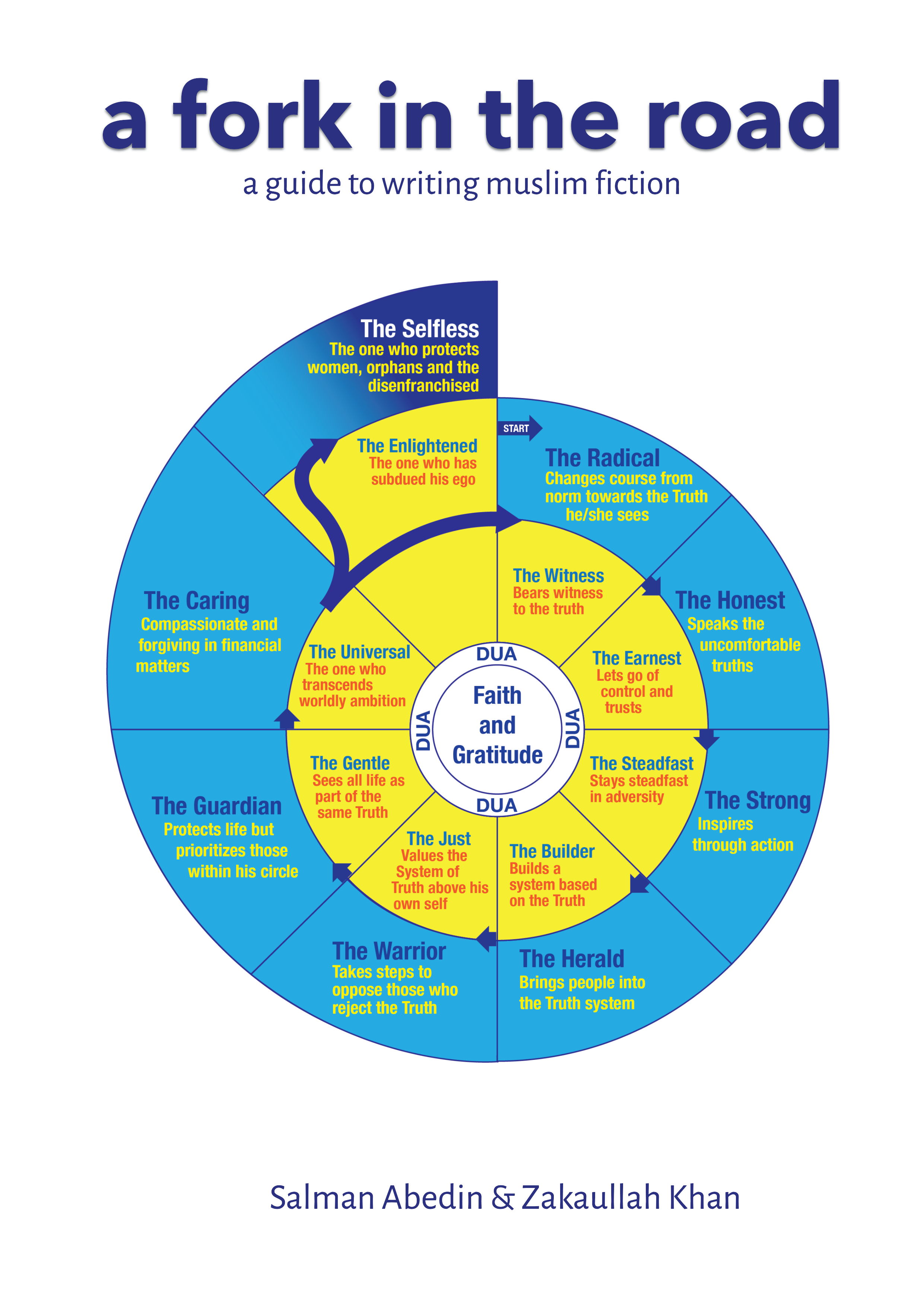

External: The Honest

At this stage, the hero emerges as a truth-teller, someone unafraid to speak uncomfortable truths. To others, this honesty can feel jarring, even abrasive, because it challenges deeply held beliefs and systems. The Honest is not a figure who conforms; they reveal what others may be unwilling or unable to see, acting as a mirror that reflects the reality of the situation. This outward role is both inspiring and isolating, as honesty often invites scrutiny and opposition.
Internal: The Earnest

Inside, this stage is defined by a sincere and unwavering commitment to discover the whole of the Truth. The Earnest is someone who has relinquished the illusion of control, entrusting their being entirely to the quest. This act of surrender is not passive but active—a conscious decision to align with divine will and embrace vulnerability. The mindset is that the truth is all that matters, and he must seek it, come what may. It is this earnest faith that allows the hero to navigate the challenges of speaking the Truth, despite fear or resistance.
Catalyst: Dua
At this stage, Dua transforms from a plea for guidance into a practice of trust. The hero’s supplication is now intertwined with a deeper reliance on the Creator, asking for clarity and courage to remain honest, even when honesty comes at a cost. This constant connection to something greater than themselves fortifies their resolve, reminding them that their role is not to control outcomes but to speak and act in alignment with the Truth as they see it.
Core: Faith & Gratitude
Faith is the wellspring from which honesty flows. It is the conviction that the Truth, no matter how uncomfortable, aligns with a greater good. Gratitude, too, deepens here—gratitude for the courage to speak honestly, for the lessons gained through vulnerability, and for the Creator’s guidance in navigating this difficult path.
Lessons for Content Creators
- Emphasize the Courage of Truth: Create characters who grapple with the cost of speaking honestly. Show the internal conflict between fear of rejection and the moral imperative to reveal what is right.
- Depict Earnest Surrender: Reflect moments where characters let go of control and embrace vulnerability. Highlight how this surrender leads to unexpected clarity or strength.
- Incorporate Dua as Strength: Use quiet moments of supplication or connection with the divine to show how the hero draws strength and clarity to remain true to their convictions.
- Anchor Honesty in Faith: Ensure that the hero’s honesty is portrayed not as reckless bluntness but as a deeply rooted act of faith and alignment with a higher purpose.
Reflection for Creators
- How can you illustrate the internal struggle of choosing honesty over comfort or safety in your stories?
- In what ways can you depict surrender as an act of strength rather than weakness?
- How might Dua be shown as a source of resilience in moments of vulnerability or truth-telling?
- How does faith, as a core belief in a greater good, drive your hero to remain honest in the face of opposition?
