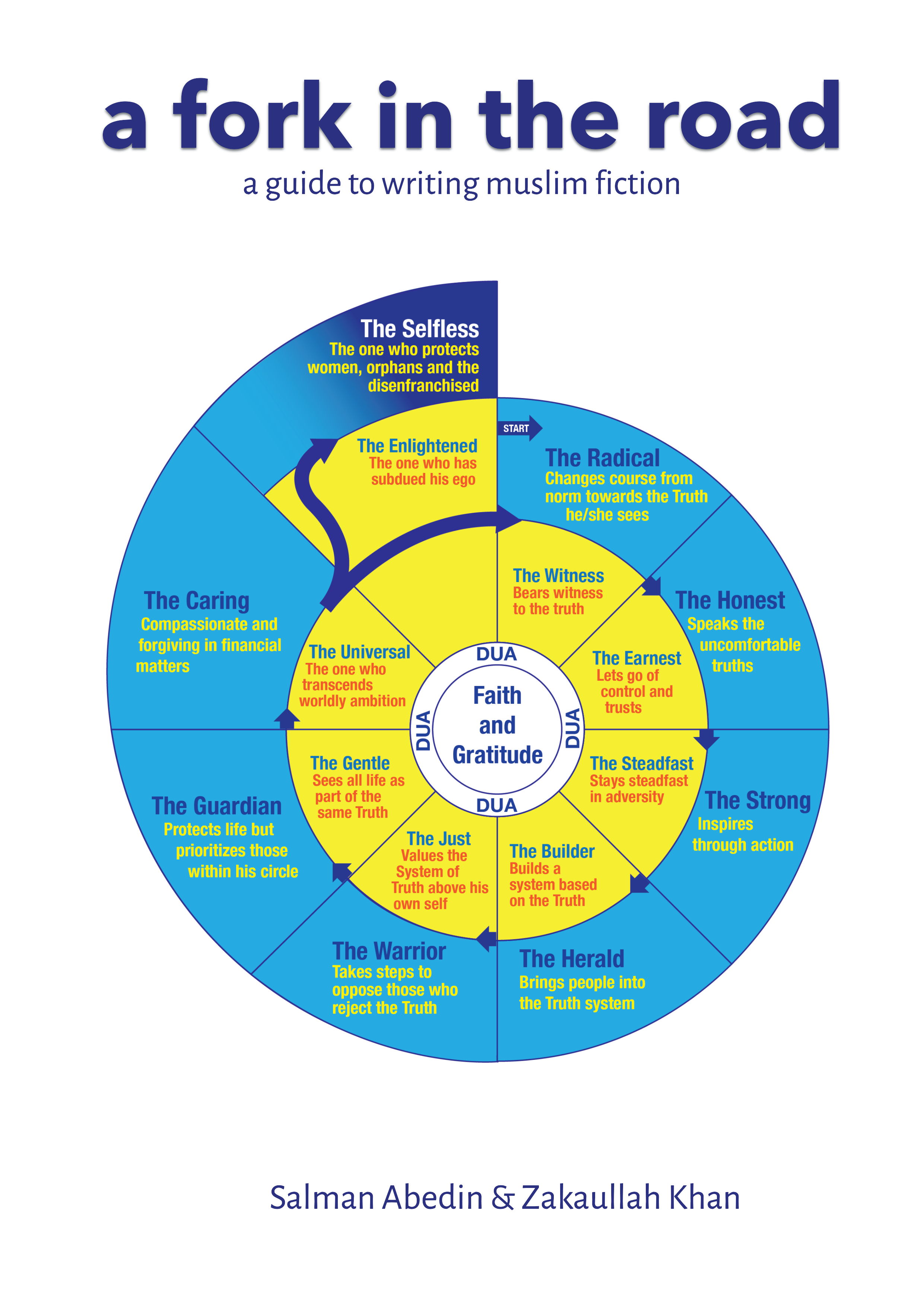

The Muslim Hero’s Journey is a powerful framework, but its effectiveness depends on how thoughtfully it’s applied. Below are practical tips to help you bring the model to life in your stories, whether you’re crafting a novel, screenplay, or interactive narrative.
1. Understand the Hero’s Context
Before diving into the story, consider the hero’s world—both the external environment and their internal belief system. Ask yourself:
- What societal norms or pressures might the hero challenge?
- How does their faith shape their understanding of right and wrong?
- What historical or cultural influences inform their journey?
Rooting the hero in a specific context will make their struggles and evolution more relatable and compelling.
2. Reflect Authentic Faith Practices
Faith is central to this model, so showcase it authentically. For example:
- Include moments of Dua (supplication) during pivotal decisions or crises.
- Show the hero’s gratitude in quiet or subtle ways, such as a whispered Alhamdulillah after a victory or a heartfelt smile in a moment of reflection.
- Highlight acts of worship, charity, or ethical decision-making as natural parts of their life.
3. Balance Universality with Specificity
While Islamic values often align with universal virtues, focus on how the hero’s faith adds a unique dimension. For example:
- Justice in Islam is deeply tied to fairness and mercy—show how the hero weighs these considerations.
- Compassion might extend not only to allies but also to enemies, reflecting the Islamic principle of forgiveness.
Use these specificities to enrich the narrative without alienating broader audiences.
4. Embrace Complexity and Growth
Heroes are not perfect—they struggle, make mistakes, and grow. Let your hero wrestle with doubt, fear, or the weight of responsibility, but show how their faith guides them through.
- How does the hero reconcile personal desires with their duty to a higher purpose?
- What temptations or setbacks test their resolve?
This complexity makes the character relatable and their journey inspiring.
5. Use Archetypes Thoughtfully
The archetypes in this model provide a roadmap, but they are not one-size-fits-all.
- Adapt the stages to suit your story. For instance, your hero might spend more time as The Steadfast than as The Warrior.
- Combine archetypes where appropriate—a character could simultaneously embody The Herald and The Builder.
Tailor the model to fit your narrative rather than forcing the narrative to fit the model.
6. Avoid Stereotypes and Tokenism
- Avoid reducing Muslim characters to mere symbols of morality or exoticism.
- Show them as fully realized individuals with strengths, weaknesses, and distinct personalities.
Remember, authenticity requires effort—research, consult, and seek feedback from Muslims to ensure your depiction is respectful and accurate.
7. Show the Human Side of Faith
Faith is a journey, not a static state. Portray how the hero’s relationship with their Creator evolves over time.
- Highlight moments of doubt or spiritual struggle, but balance these with moments of enlightenment and peace.
- Show how Dua and faith provide strength in adversity and humility in success.
8. Ground the Narrative in Hope
The Muslim Hero’s Journey is ultimately a story of faith — faith in the Creator, in humanity, and in the possibility of change. Ensure that your narrative reflects this optimism, with faith as its source, even in the face of challenges.
